Rome Before Your Cruise: Getting to Civitavecchia
Taking a cruise from Civitavecchia? If you’re going to explore Rome before your cruise departs, build in plenty of time and arrive in Rome at least a day before you leave for Civitavecchia. If having an easy departure matters more than another evening in the Italian capital, then stay near the Civitavecchia port the night before the cruise.
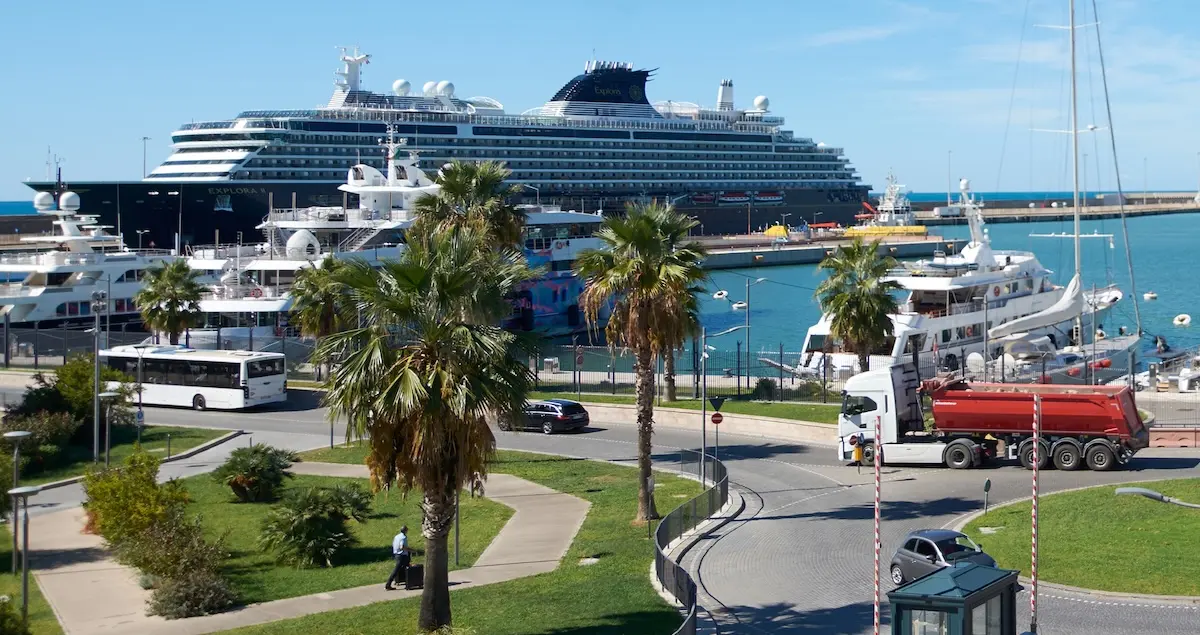
Planning a cruise departure from Italy often starts with a common misconception: Rome isn't a coastal port city. Civitavecchia, the capital’s port, sits about 50 miles (80 km) northwest of the historical center, along the Tyrrhenian coast. The Rome to Civitavecchia cruise port trip is definitely manageable, but some careful planning is necessary, which is where we at Blacklane come in.
Whether you’re arriving at Leonardo da Vinci–Fiumicino Airport (FCO) or spending your last morning in Rome, proper prior planning will make the journey to your ship much easier.
Please note: All timings listed in this article are approximate and subject to change
Know the geography: Rome and Civitavecchia cruise port
To plan your journey effectively, you need to understand how Rome, Fiumicino Airport, and the Civitavecchia cruise port connect across the region of Lazio.
The distance from central Rome to Civitavecchia port is approximately 50 miles (80 kilometers). This will take 70 to 90 minutes by car under normal traffic conditions along the A12/E80 motorway.
However, weekday morning commuter traffic leaving Rome or unexpected highway delays can easily push transit times past 120 minutes.
If you fly directly into Leonardo da Vinci–Fiumicino Airport, you're situated roughly 40 miles (65 kilometers) south of Civitavecchia. A direct highway drive from FCO to the port takes about 50 to 60 minutes.
Crucially, arriving at the port of Civitavecchia doesn't mean you can walk straight up your ship's gangway. The Port of Civitavecchia covers a massive commercial area. Most travelers arrive at the main port entrance or the Largo della Pace welcome center, to then transfer onto an official internal port shuttle to then reach specific terminals or ships' quaysides. Factoring in this final shuttle leg is vital to making your all-aboard deadline.
Rome or Civitavecchia before the cruise: Which option best suits you?
Deciding whether to sleep in historic Rome or near the Civitavecchia harbor comes down to your personal travel priorities, your arrival flight schedule, and your risk tolerance.
1. Staying in Rome
Staying in Rome gives you more time for sightseeing, restaurants, and an evening in the city before your cruise. Internal Blacklane data over the past 12 months shows that 70% of private transfers to and from Civitavecchia were connected to central Rome, compared with 30% to or from Fiumicino Airport, which shows that Rome city is a more common origin or destination for these Blacklane rides than Fiumicino Airport.
It’s the best choice for first-time visitors, repeat travelers who love Italian nightlife, and anyone spending two or more nights in Italy before sailing. The main compromise is that you need to take a 70- to 90-minute journey on embarkation morning, which will require careful timing to navigate any highway delays.
Families with young children may prefer to stay in Rome for sightseeing, provided they arrive the day before and arrange a transfer to accommodate any luggage and travel needs.
If this seems like the choice for you, discover all there is to know about exploring the historic city with our guide on what to do in Rome.
2. Staying in Civitavecchia
Civitavecchia is a working port town with a pleasant seaside promenade, a historic fort, and seafood restaurants. It’s a quieter seaside setting that will give you easier access to the port, but of course, there’s considerably less sightseeing than in Rome.
This choice is best for travelers who arrive on late flights into FCO, for risk-averse cruisers who want to be close to the ship on the morning of embarkation, and for those who've already explored Rome to their heart’s content.
The main trade-off is that you exchange the atmosphere, culture, and dining of Rome for proximity to the dock; if this isn’t a factor for you, then it’s a great choice.
Where to stay in Rome: How to choose the right neighborhood
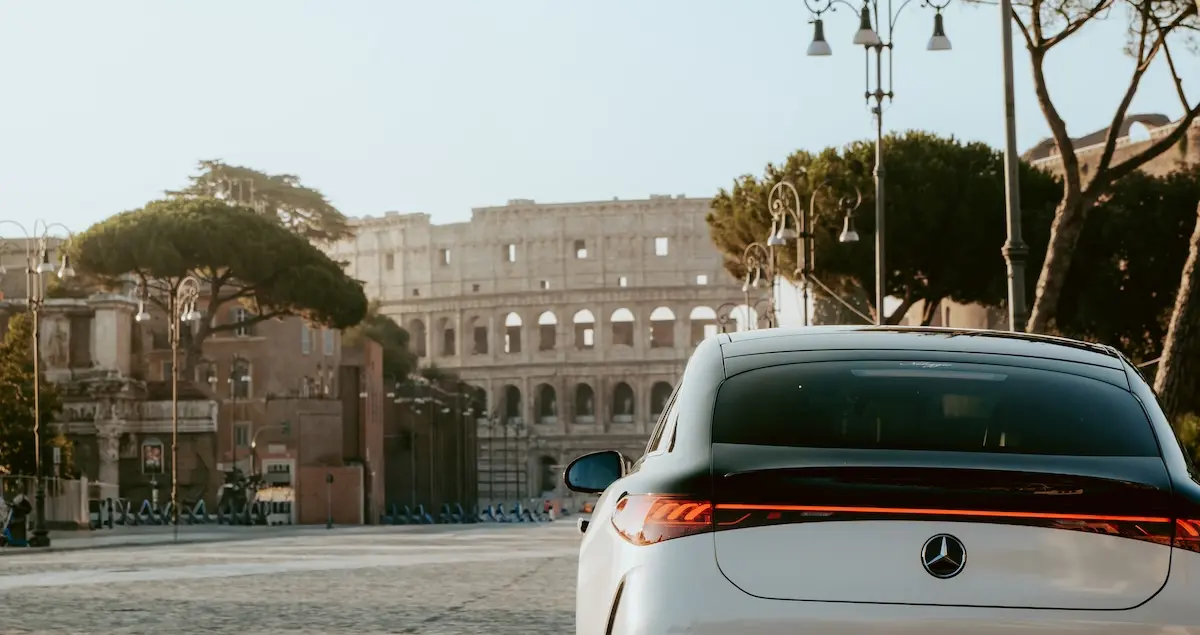
If you decide to stay in Rome before your cruise, choosing the right district balances neighborhood charm with departure efficiency.
The Historic Center (Pantheon, Piazza Navona, Trevi)
Classic Rome offers cobblestone alleyways, grand plazas, and iconic sights right outside your doorstep.
But while beautiful for walking, it does present potential challenges for departure morning. Some streets in the historic center fall within Rome's ZTL restrictions, so you’ll need to confirm that your pickup point is accessible to your chosen transfer service. You'll also need a driver with authorized ZTL access. But if it’s your first time in Rome, it’s definitely worth it.
Monti and Colosseum
Trendy, residential, and filled with artisan boutiques, wine bars, and picturesque streetscapes.
Staying in Monti puts you within a brief stroll of ancient Rome's most monumental treasures, including the Colosseum, the Roman Forum, the Imperial Fora, and the sweeping views from the Capitoline Hill.
Located near the central core, Monti offers easier vehicle access than the narrow pedestrian alleys of the Pantheon district while still keeping you within walking distance of iconic ancient sights. It’s a great all-rounder choice.
Termini Station District
While it lacks the picturesque charm and historic romance of other neighborhoods, staying near Termini offers incredible logistical convenience for rail travelers heading to Civitavecchia on embarkation morning.
While busy and transport-focused, the area isn't completely lacking in cultural value; you’re just steps away from major sights like the National Roman Museum at Palazzo Massimo, the Diocletian Baths, and the Basilica di Santa Maria Maggiore.
But the immediate streets are commercial and dominated by transit hubs, making it more suited to a practical overnight stay focused on transit than an atmospheric Roman vacation.
Prati and Vatican Quarter
A more niche choice, but no less superb for it. The Prati and Vatican Quarter offer wide, elegant avenues, impressive 19th-century architecture, and excellent shopping along Via Cola di Rienzo.
In addition to its beauty, the Vatican Quarter offers easy convenience for road transfers. Located on the northwestern side of the Tiber River, leaving Prati positions you closer to the outgoing highway to Civitavecchia, bypassing much of the inner-city traffic congestion.
Where to stay in Civitavecchia
If you prioritize a stress-free embarkation morning over nightlife and heavy sightseeing, staying directly in Civitavecchia is the safest choice. The town is split into three main areas:
Along the Promenade (Lungomare and Historic Center)
Properties near the seafront or Piazza Fratti put you in the heart of town, within walking distance of seafood trattorias, the historic Fort Michelangelo, and the main port entrance. Spots like Hotel San Giorgio or Hotel de La Ville offer direct sea views and are just a five-minute drive or a short walk from the port gates.
Near the Largo della Pace Port Welcome Center
If you’re after proximity to the ship shuttles, look for small boutique stays or guesthouses around the welcome center (such as Hotel Smart Cruise).
Staying here means you can roll your bags straight to the official port shuttle bus.
Near Civitavecchia Train Station
If you’re arriving from Rome by rail late the night before, hotels and bed-and-breakfasts near the station make late-night check-ins effortless. From this part of town, you can either grab a quick five-minute taxi to your terminal or hop on the local municipal port bus on departure morning.
A realistic Rome itinerary before your cruise
A common mistake to make before a cruise is to try and pack a week of sightseeing into a brief pre-cruise stay. Departure day itself should never be treated as a sightseeing day.
Our example itinerary offers a sample of what your trip could look like:
Day 1: Arrival and historic center
Afternoon: Check into your hotel and enjoy a relaxed espresso or whatever takes your fancy.
Late Afternoon: Take a gentle walking tour covering historic sights such as the Piazza Navona or the Pantheon.
Evening: Have dinner in Monti or Trastevere, then take a stroll through the beautiful streets and soak in the local culture.
Day 2: Culture and embarkation preparation
Morning: Take a pre-booked, timed-entry visit to the Colosseum or Vatican Museums.
Afternoon: Enjoy a leisurely lunch and relaxed neighborhood exploration.
Evening: Have dinner, pack, and reconfirm your morning port transfer details.
Day 3: Embarkation day (No major sightseeing)
Morning: Have breakfast, check out, and confirm your transfer arrangements.
Departure: Leave Rome early enough to allow for the drive, port access, and your cruise line’s check-in deadline.
Arrival: Follow your cruise line’s instructions for reaching the correct terminal and boarding area.
For more inspiration on how to spend your time in the capital, get expert insights from German TV personality Annabelle Mandang's diary of her trip through the Eternal City.
How to get from Rome to Civitavecchia cruise port
There are five popular ways to travel from Rome to Civitavecchia cruise port. The right choice for you depends on your needs, whether budget, luggage, or general convenience.
1. The regional or express train
Regional Trenitalia trains on the FL5 line connect Rome with Civitavecchia, with services from stations including Roma Termini, Roma Ostiense, and Roma Trastevere. Journey times vary by service and departure point, but plan around 70 to 90 minutes from central Rome. Check the current timetable for your travel date before setting your departure time.
The train is good value for light-packing travelers who are comfortable navigating the final connection to the port and have plenty of time before their cruise check-in deadline.
Civitavecchia railway station is close to the port, but it’s not the same as being at your ship. The pedestrian entrance at Fortezza is about 600 meters from the station, while Largo della Pace is about 1.5 kilometers away. Cruise passengers can also use a dedicated shuttle service connecting the railway station with the cruise ships; the service operates on cruise departure and arrival days.
With large suitcases, young children, or a tight embarkation schedule, the additional station-to-port connection can make a door-to-door transfer more convenient.
2. Shared cruise shuttles
Shared vans pick up passengers from designated hotel hubs or central meeting points, grouping travelers together heading to the port. While cheaper than individual private transport, shared shuttles involve multiple stops to collect other guests. Departure times can change depending on passenger delays, extending total travel times to between 90 and 120 minutes.
3. Pre-booked private chauffeur service
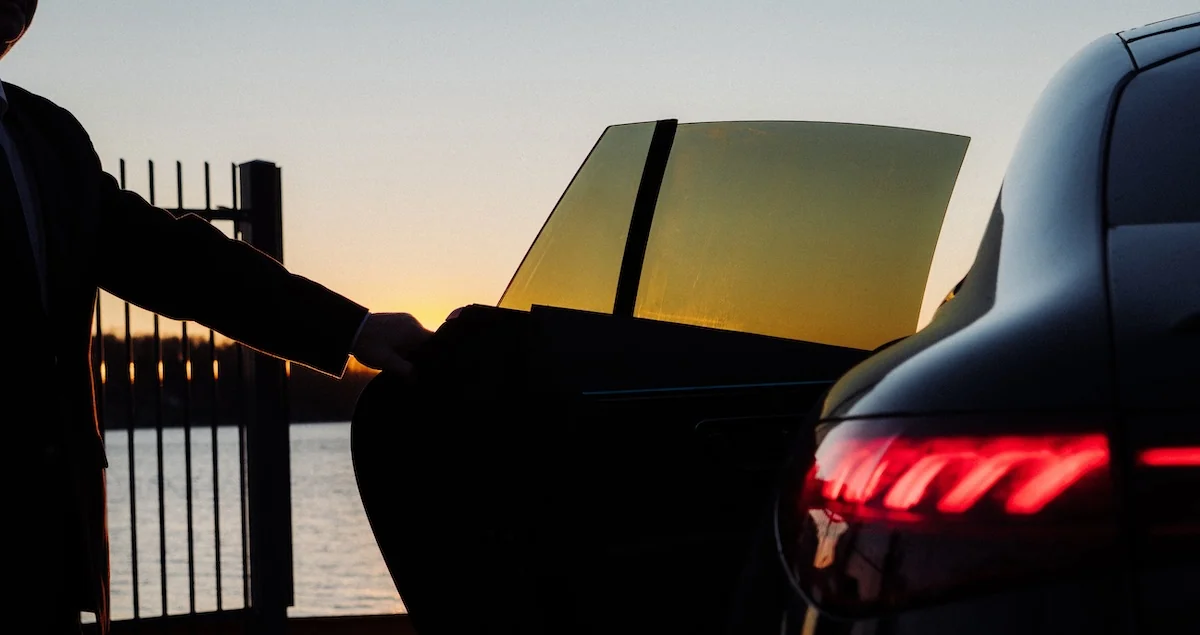
Choose a pre-booked private chauffeur service that takes you directly from your hotel to the agreed port drop-off point, without the station changes or extra luggage transfers involved in some other options.
Crucially, a chauffeur service will let you choose a pickup time with a generous buffer before your cruise-line deadline. A Rome chauffeur service also makes sense if you're staying in a part of central Rome where reaching a train station with luggage would be inconvenient. Before your journey, confirm the appropriate port meeting or drop-off point with your cruise line or chauffeur, as access arrangements can vary depending on the ship and port operations.
4. Standard taxis
You can always hail a street taxi or request one through a dispatch app on departure morning for a 70- to 90-minute drive. Vehicle sizes vary, and securing a standard taxi capable of holding multiple large suitcases on short notice can prove difficult during peak morning hours.
5. Cruise-line transfer coaches
Cruise lines offer bulk motorcoach transfers from central gathering hubs or designated partner hotels directly to the port terminal. You must adhere strictly to the cruise line's fixed group schedule, which often involves waiting in hotel lobbies as large groups assemble and load luggage onto buses.
Arriving at Fiumicino on embarkation day: Is it sensible?
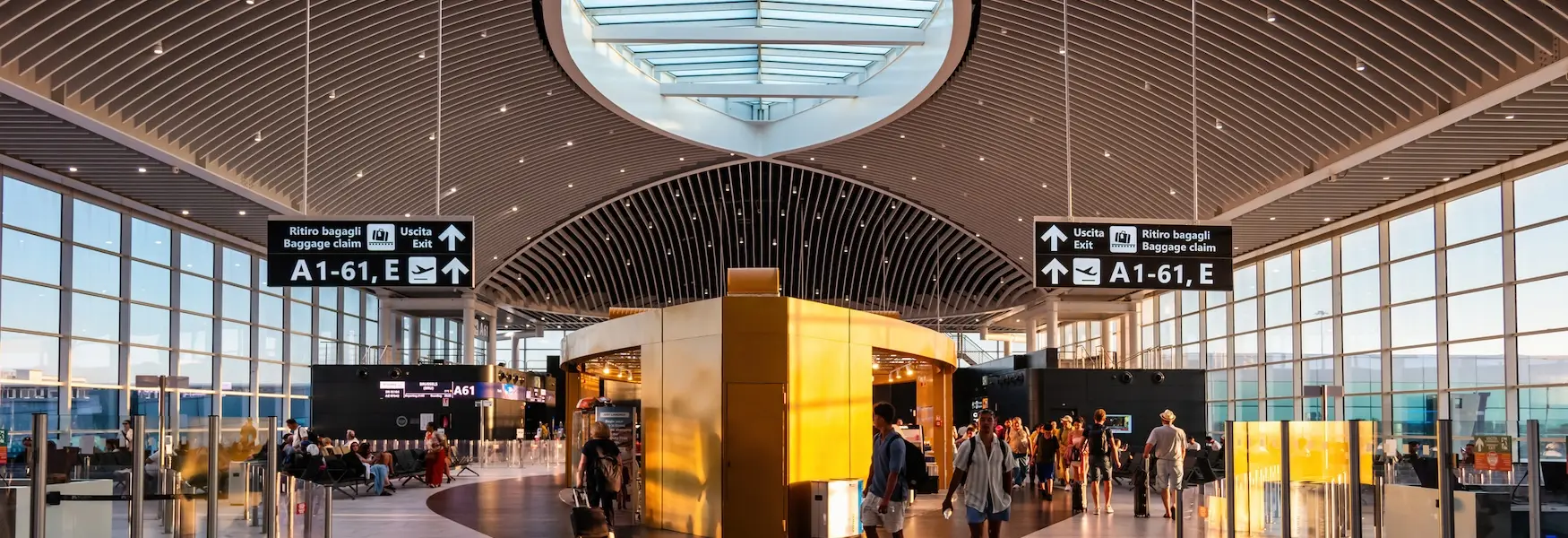
Flying into Leonardo da Vinci–Fiumicino Airport (FCO) on the same morning the ship sails is one of the highest-risk decisions a cruise traveler can make in Italy.
If you must fly in on embarkation day, choose a flight that leaves substantial time for delays, baggage collection, the drive to Civitavecchia, port access, and your cruise line's check-in deadline. Whenever possible, arriving in Rome the day before is the lower-risk option.
To eliminate transit friction upon landing, reserve a dedicated Fiumicino Airport transfer or Rome car service in advance. A professional chauffeur will track your flight status live, accommodate schedule adjustments, meet you in the arrival hall, and drive you straight along the 40-mile coast road to Civitavecchia.
For complete flight planning, terminal navigation, and lounge details, consult our complete guide to Rome Airport (FCO).
How much time to allow: Embarkation day logistics
To avoid a rush, work backward from the all-aboard and check-in deadlines provided by your cruise line.
Your total buffer on embarkation day should account for:
Hotel check-out and luggage loading (15 to 30 minutes)
City or airport highway drive to the port (70 to 90 minutes, plus an extra 30 minutes for traffic)
Port entry security and credentials check (15 to 20 minutes)
Internal port shuttle to the ship quayside (15 to 30 minutes)
Cruise terminal line and gangway check-in (30 to 45 minutes)
For a Rome-to-Civitavecchia journey on embarkation day, allowing roughly 3.5 to 4 hours from hotel departure to the all-aboard deadline gives you room for the drive, luggage, port access, and unexpected delays.
Understanding Peak Season Congestion
Internal Blacklane ride data reveals clear patterns for travel between Rome and the cruise port:
The peak period: Over the past 12 months, the busiest single day for travel between Rome and Civitavecchia was 24 June 2026, with 17 June 2026 ranking as a close second.
Seasonal surge: The majority of high-volume days occur between April and September, with June, May, and early September seeing peak demand.
No weekday pattern: The busiest dates fall across several weekdays and weekends, suggesting that demand is not limited to traditional weekend travel.
During busier periods, allow additional time for possible traffic and port-access delays.
After the cruise: Returning to Rome or Fiumicino
When your cruise finishes at Civitavecchia, it’s time for the reverse journey. Disembarkation times vary by sailing and cruise line, so confirm your ship’s schedule before arranging onward transport.
Internal Blacklane data over the past 12 months shows that pickups at the port on arrival day frequently outnumber trips out to it, reflecting the demand for onward journeys after disembarkation.
If you do choose a same-day flight from Fiumicino, leave a good margin between your expected disembarkation and departure time. Allow time to disembark, clear port security, complete the 50-minute drive to FCO, check bags, and clear international airport security.
If you're staying in Rome post-cruise, arrange your pickup for as early as the disembarkation allows, even 08:30 AM or 09:00 AM. This’ll let you arrive in the capital by mid-morning, drop your luggage at your hotel, and start exploring without wasting a day.
Final pre-cruise checklist
Before leaving your hotel for the port, review this final checklist for a stress-free departure:
Travel documents: Passport, cruise boarding passes, physical vaccine records (if required), and travel insurance papers stored in your hand luggage, never packed inside checked suitcases.
Luggage tags: Official cruise line luggage tags attached to every bag before arriving at the port drop-off area.
Hotel check-out: Settle the night before to avoid front-desk lines on departure morning.
Transfer Confirmation: Reconfirm pickup time, meeting location, and driver contact details.
Port credentials: Keep your ship booking confirmation accessible at the Civitavecchia port gate for security clearance.
Contingency contact: Have your cruise line's emergency port contact number saved in your phone.
To discover more about pairing luxurious accommodations with efficient city travel, explore our curated guide to the best luxury hotels in Rome.
Ready to ensure an effortless, punctual journey to your ship? Book your pre-arranged Rome chauffeur service with Blacklane today.
About the author

John Schärges
John Schärges is an internationally published journalist and award-winning copywriter with 15 years of experience, which includes covering global tourism events and serving as an editor for travel guides. He brings his passion for different cultures and over a decade of living abroad to his writing for Blacklane.


