Private Dining Rooms: How to Choose the Right One
Updated: August 27, 2026
Not every room with a sliding door deserves to be called private dining.
Some spaces are made for serious conversation over a very good bottle of Burgundy. Some are built for birthdays that blossom into a genuinely special evening that you'll yearn to recreate. Some are little more than a corner dressed up with a curtain and an events PDF.
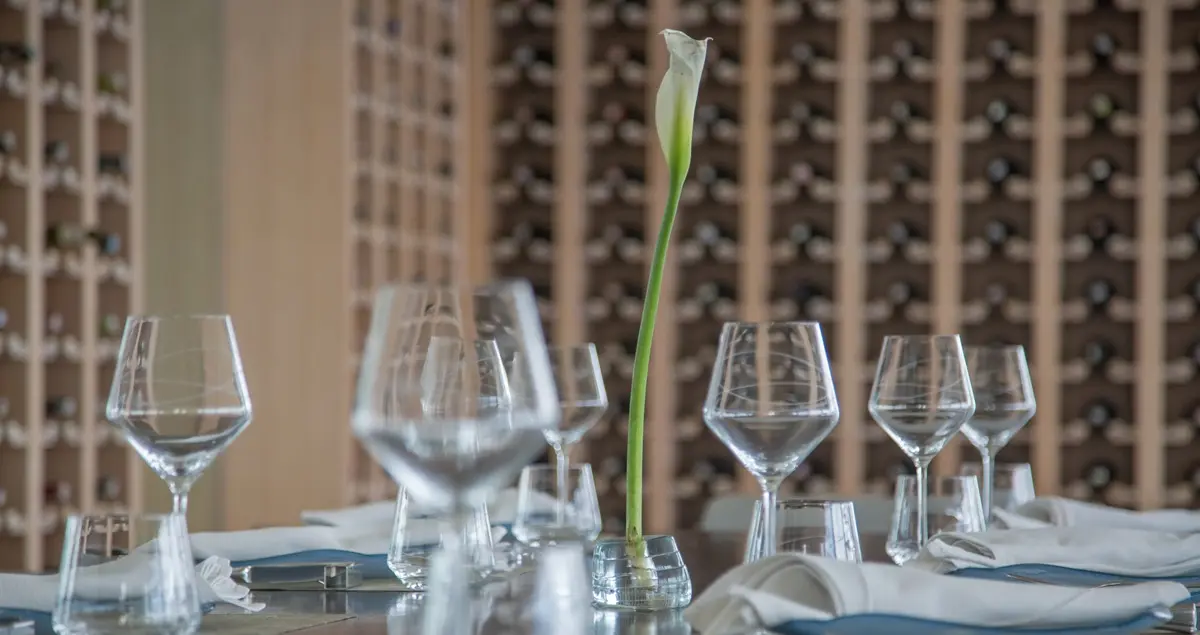
That’s the problem, and the appeal. Private dining can mean a wood-paneled room above a famous brasserie, a chef’s table with front-row access to the kitchen, a hidden wine cellar, or a clubby space where no-one at the next table is close enough to overhear a word.
So before you book, it's worth knowing what you're actually paying for.
What counts as a private dining room?
At its simplest, a private dining room is a space that gives your group more control over the tone of the evening than a standard table in the main room ever could. The best ones don't just separate you physically, they change the pace. Service feels more attentive. Conversation becomes easier. The evening has a little more shape to it.
That can take several forms:
fully private rooms with a closing door
semi-private spaces set apart by screens, curtains, or architecture
chef’s tables for smaller, more culinary-led evenings
wine rooms and cellars where atmosphere does half the work
private salons in grand hotels or heritage venues
full restaurant buyouts for hosts who want complete control
The important point is that “private” is not a standard term. One venue may mean a self-contained room with its own entrance. Another may mean a section of the restaurant screened off well enough that you can almost ignore the birthday party two meters away.
If privacy is central to the evening, “almost” isn’t the standard you want.
How to choose the right room for the occasion
The right private dining room depends less on taste alone than on intent. What’s the evening actually trying to do or achieve?
Business dinners
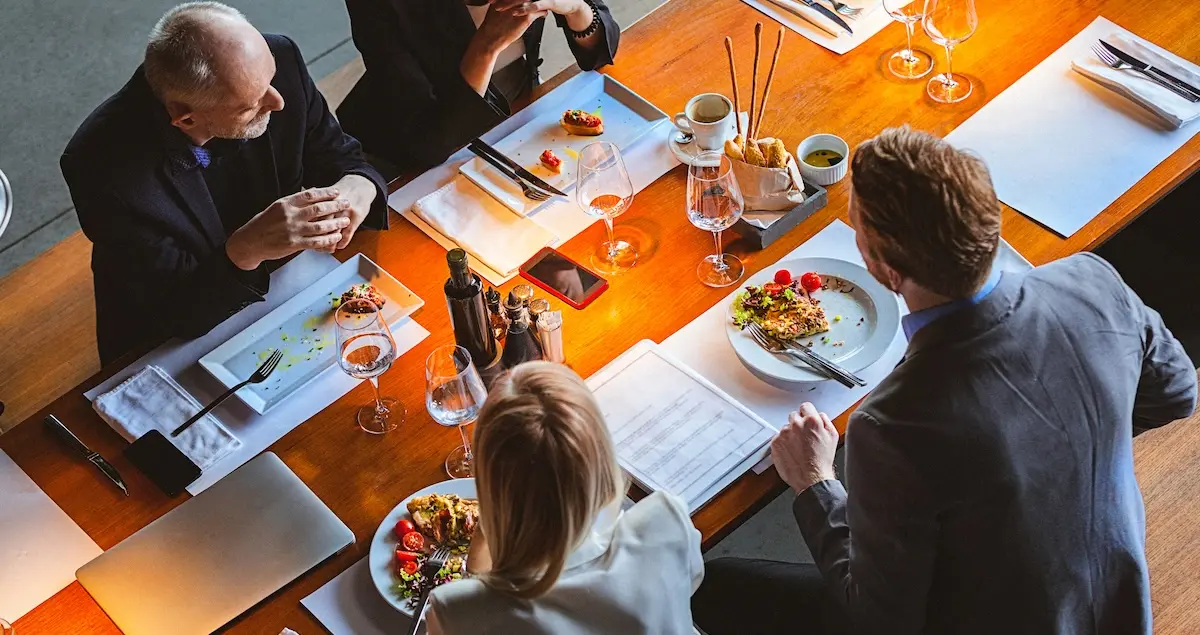
For a business dinner, the room should support the conversation rather than compete with it. Acoustics matter. So does table shape. So does the staff’s instincts for when to appear and when to vanish. If the room is too loud, too theatrical, or too obviously designed for selfies rather than discussion, it's the wrong room.
Celebrations
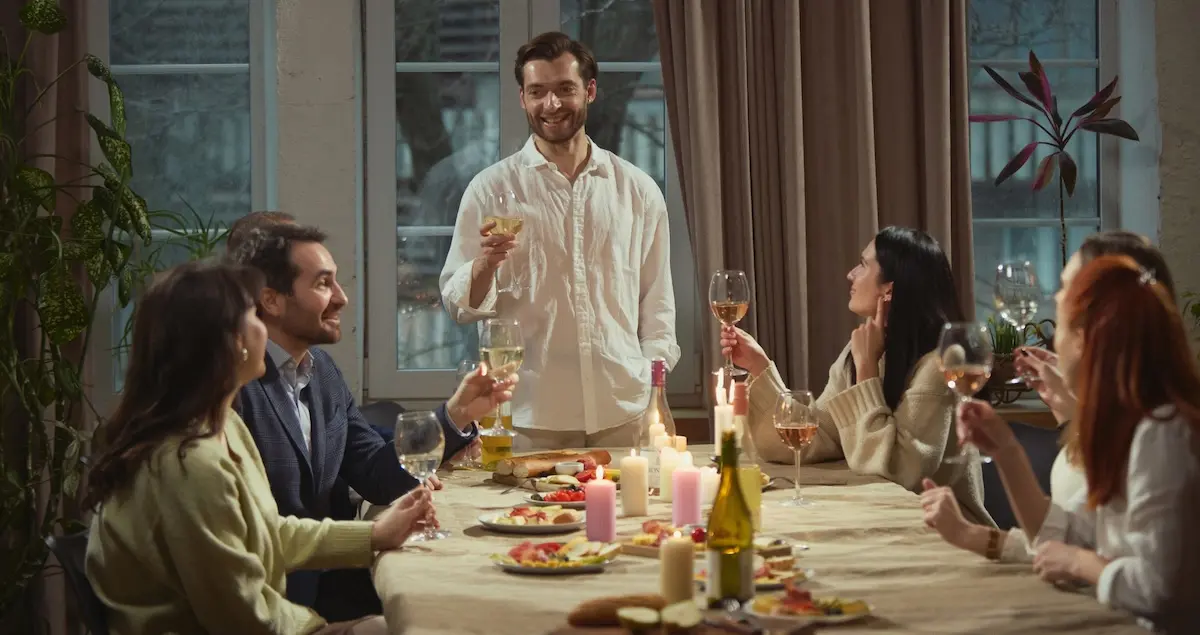
For celebrations, the calculation changes. A little energy from the main restaurant can be an asset. A semi-private space with a handsome bar nearby, a rooftop room with a view, or a wine cellar with a little drama may suit the evening far better than a perfectly sealed room that feels oddly joyless once everyone sits down. This is also where the more theatrical flourishes fit perfectly - such as The Marigold Club's private dining room in Houston wheeling over an ice-cream sundae cart for dessert.
Romantic dinners/small gatherings
For romantic dinners or very small gatherings, scale is everything. A room built for 20 can make a party of six feel stranded. Better to choose a compact salon, a chef’s table, or a space that feels intimate by design rather than intimate by accident.
Larger groups
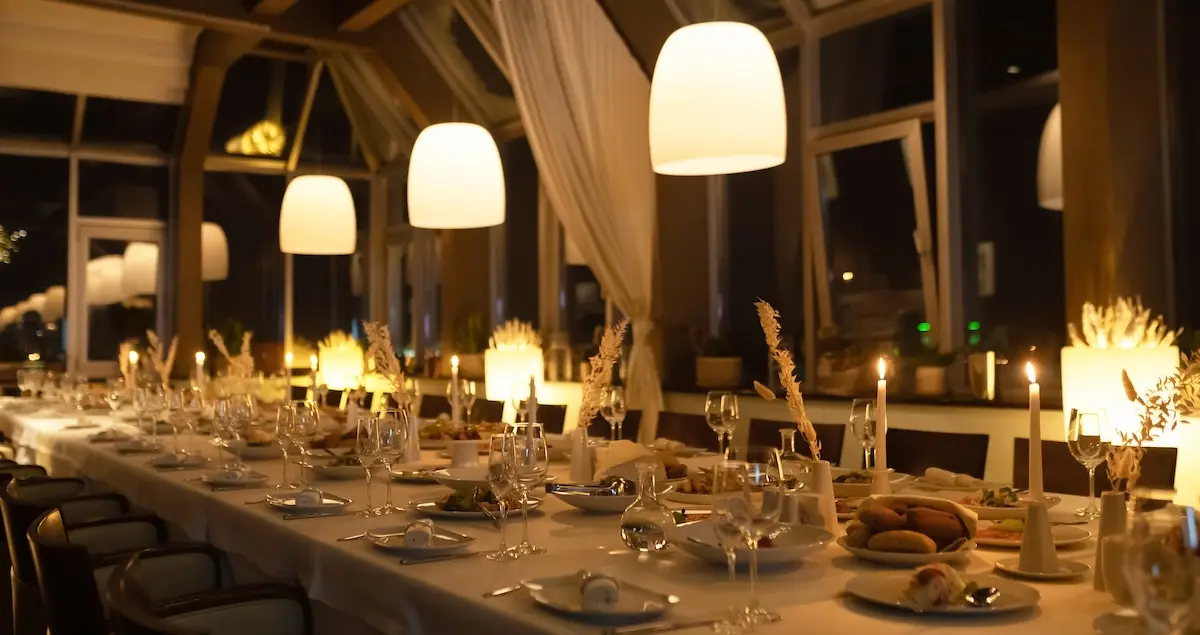
For larger groups, flow becomes the key test. Can people mingle before dinner? Is there space for a toast? If someone stands up to speak, will the room still feel elegant rather than cramped? The most successful private dining events often come down to practical questions masquerading as aesthetic ones.
A good venue should be able to answer them without hesitation.
Private vs. semi-private dining
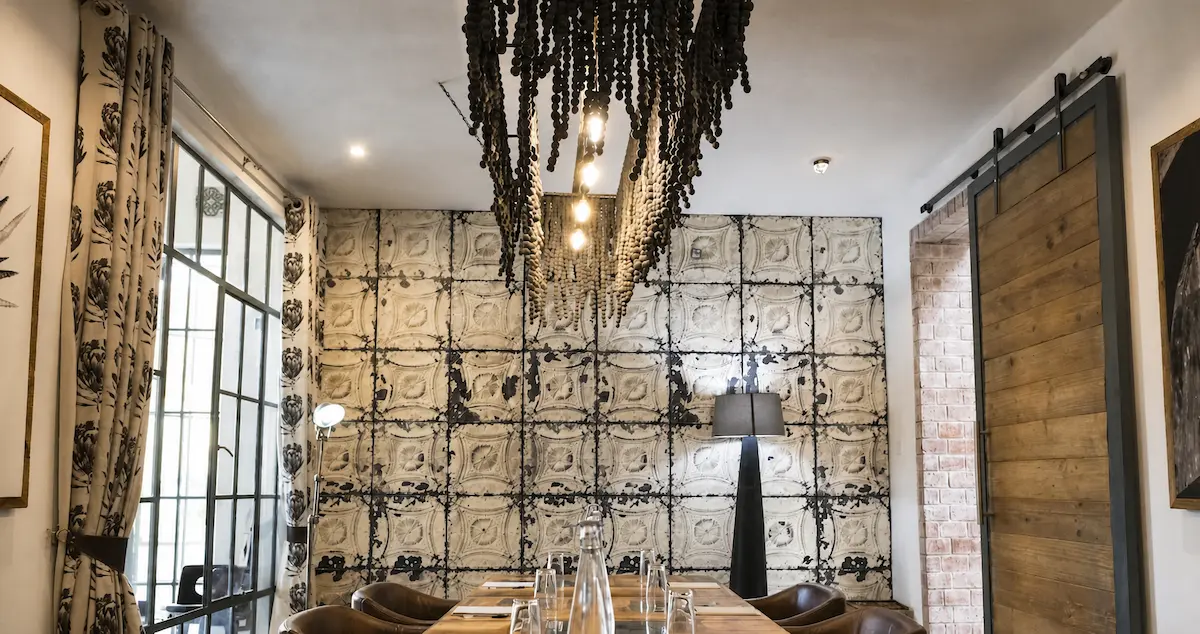
Here's where many bookings go right or wrong.
A fully private dining room is usually the better choice when the guest list matters, the conversation matters, or the host would rather not spend the evening listening to the room next door. Business dinners, proposal dinners, family negotiations, milestone birthdays with speeches — these all benefit from real privacy, not the suggestion of it.
A semi-private room has different strengths. It can feel warmer, livelier, and less formal. It often comes with a lower minimum spend, and in the right restaurant, that slight connection to the main room can make the evening feel more atmospheric rather than less exclusive, feeding off the restaurant's energy instead of being distilled by it.
The trick isn’t to mistake one for the other.
If you need confidentiality, ask whether the room has four walls, a door, and meaningful separation from surrounding tables. Sure it might sound stupid asking such an obvious-sounding question, but it matters. If you want atmosphere and flexibility, ask how much of the restaurant’s energy carries into the space. One version of semi-private feels usefully connected. Another feels as if you're dining in public with better marketing.
A simple rule helps: if being overheard would irritate you, fully private is worth paying for.
What actually affects the price
Private dining prices are rarely as neat as they first appear.
In many cases, the headline number is not a room fee at all, but a minimum spend on food and drink. Elsewhere, there may be a room charge on top, or a fixed menu price per guest, or a cocktail package that quietly turns an already substantial bill into an even more substantial one.
That’s why the “cheaper” option can end up costing more. A larger room with a steep minimum spend is not automatically better value than a smaller room that fits your group perfectly and keeps the menu simpler.
When comparing options, ask for clarity on:
minimum spend requirements
separate room hire fees
per-person menu pricing
beverage packages and corkage
tax and service charges
overtime fees
AV charges
floral, cake-cutting, or outside vendor fees
Timing also changes everything. December, Valentine’s Day, fashion weeks, major city events, and key weekends tend to come with sharper terms and less flexibility. A venue that seems accommodating in March may become very firm indeed once the calendar turns festive.
What to ask before you book
A glossy events deck is useful. Here are some better examples from London eatery Bob Bob Ricard and NYC's Beefbar to give you a sense for what to look for. However, often, t’s not enough.
Before paying a deposit, use this checklist:
Is the room fully private, or semi-private?
How many guests does it seat comfortably for dinner, not just at maximum capacity?
What is the minimum spend, and does it include tax and service?
Is there a separate room fee?
How long do we have the room?
Is the menu fixed, or can it be shaped around the group?
How are allergies, dietary restrictions, and non-drinkers handled?
Is AV available for presentations, speeches, or discreet business needs?
Are there restrictions on candles, florals, menus, place cards, or other details?
What are the deposit, cancellation, and final headcount deadlines?
Is there a separate entrance, coat check, or nearby restroom?
What is the smoothest way for guests to arrive and leave?
That last point deserves more attention than it usually gets. A lovely room loses some of its magic when half the group arrives late, one person is wandering the block looking for the side entrance, and the guest of honor is standing in the restaurant entrance fielding apologetic texts.
As we know well in Blacklane, a smooth arrival sets the tone. A chaotic one tends to linger.
Private dining for business dinners
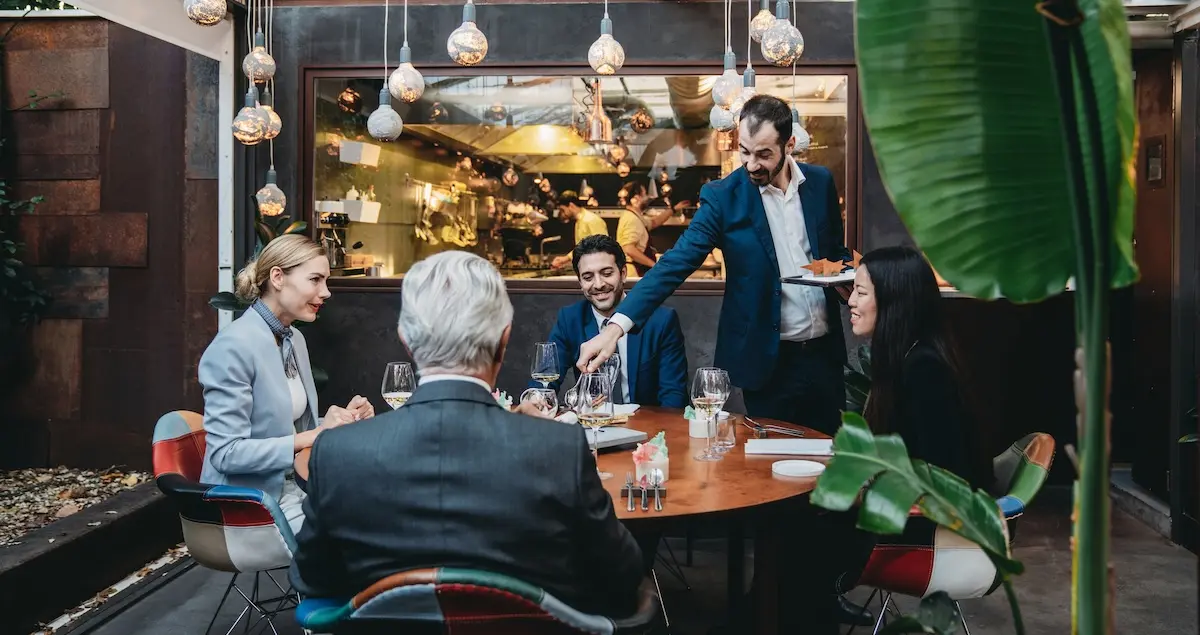
Business dinners are their own kind of alchemy.
The room should feel impressive, but not showy. Service should be polished, but not overbearing. The menu should give people enough to talk about without becoming the evening’s main performance.
The best business-dinner private dining spaces tend to share a few qualities. They're quiet enough for real conversation, and make everyone at the table feel well looked after. They're relaxed about dietary changes, timing adjustments, and the fact that some guests might want a cocktail while others want to get straight to the point.
There's also the question of arrival. In cities with strong private dining scenes — from London to NYC to Paris — the difference between a graceful entrance and an irritated one can be traffic, timing, and whether someone has to puzzle out where exactly the private dining entrance is while checking their watch.
That’s where Blacklane fits naturally. For a high-stakes evening, a professional chauffeur service does more than move guests from one postcode to another. It keeps the night feeling composed from the outset.
A three-city comparison: London, NYC, and Paris
If you're choosing between the major private dining capitals, it helps to think less in terms of “best” and more in terms of what kind of evening each city does particularly well.
Each of these cities appears in our private dining coverage for a reason, but they don't overlap as neatly as the topic might suggest.
London
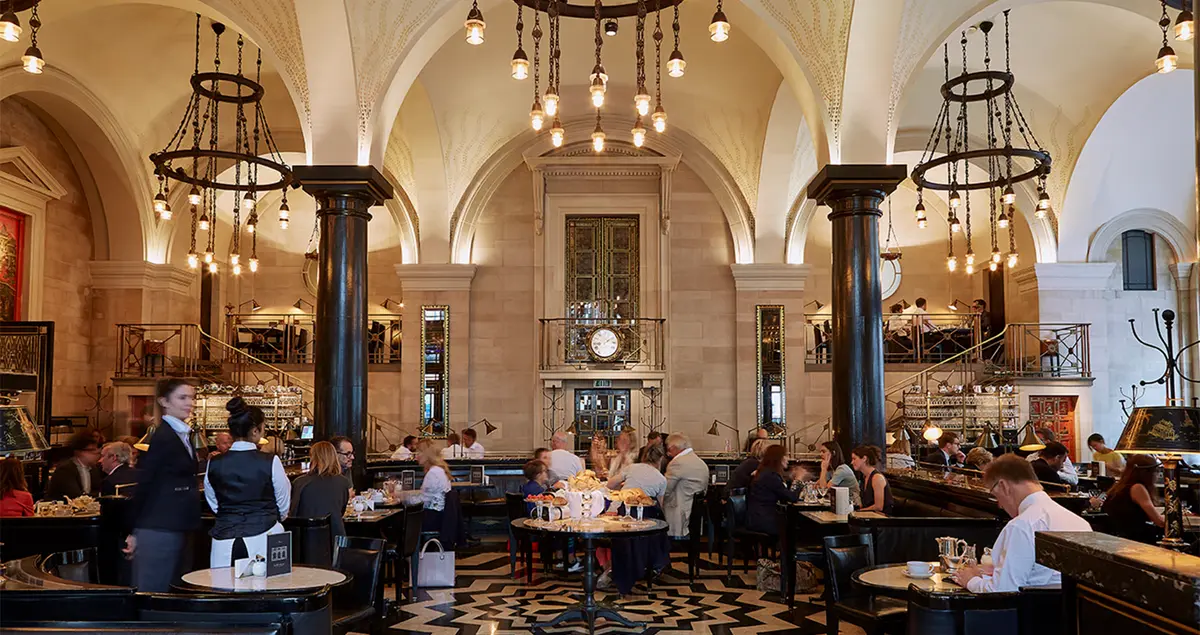
credit@TheWolseley
London tends to make private dining feel composed. The rooms that stand out in our deep-dive into London’s private dining scene lean toward members’ clubs, historic hotels, and quietly serious dining rooms where business can be conducted without the whole evening feeling transactional. Places like Core by Clare Smyth, The Wolseley, 5 Hertford Street, Gymkhana, and The Connaught’s Silver Room all point in roughly the same direction: privacy with polish, and polish without fuss.
New York City

credit: Le Bernardin Prive
New York is less restrained. In our NYC private dining guide, the range moves from established business-dinner names like Hawksmoor and Le Bernardin to skyline-heavy rooms like Peak and Saga, then into club and hotel territory with Casa Cipriani, The Polo Bar, Eleven Madison Park, and The Carlyle. There is more visual drama, more sense of address, and more emphasis on the room making a statement before the first course lands.
Paris
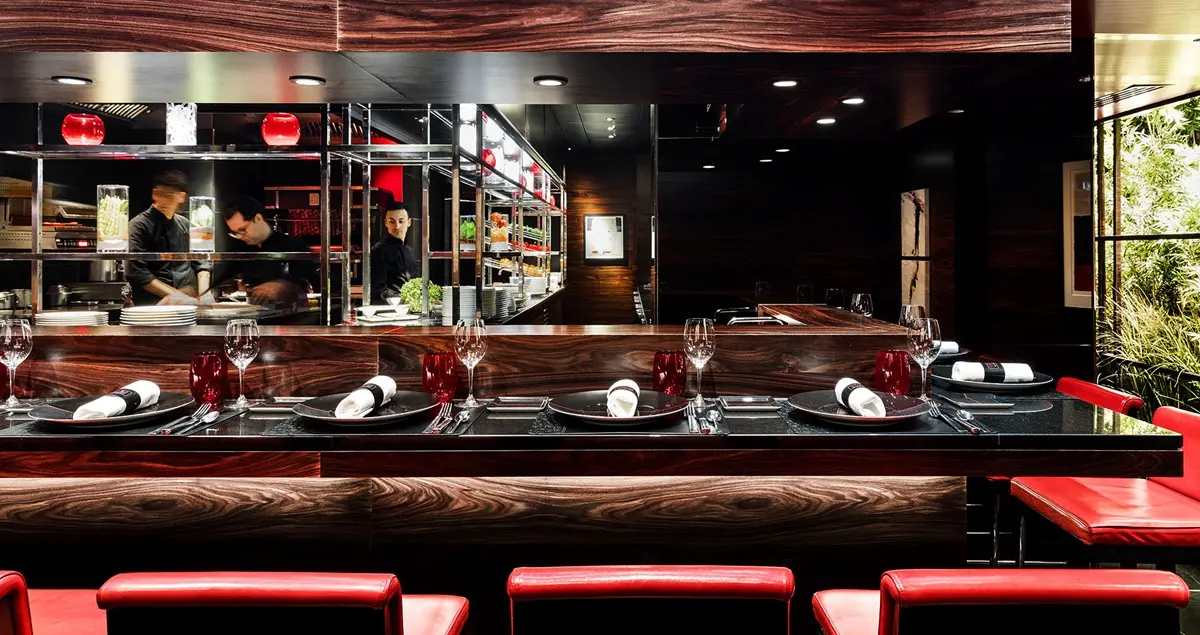
credit@AtelierRobuchonEtoile
Paris, by contrast, is at its most persuasive when private dining feels intimate, artful, and a little hidden from view. Our deep-dive into Paris private dining is built around salons privés, hidden ateliers, and palace-hotel spaces, with names like L’Ambroisie, Guy Savoy, Arpège, Le Bristol’s Epicure, and Cheval Blanc Paris. The strongest options feel less overtly corporate than their London or New York counterparts. Instead, they win on atmosphere, craftsmanship, and that slightly transportive quality Paris does so well.
Summary
Put simply: London is strongest for discreet, high-function hosting. New York is strongest when the evening should feel important and unmistakably metropolitan. Paris is strongest when the room itself should feel like part of the seduction.
Here's the quicker version:
City | Best for | Signature feel | Typical private dining strengths |
London | Business dinners, polished client hosting, old-school private entertaining | Clubby, discreet, assured | Members’ clubs, heritage hotels, serious dining rooms, quieter formality |
NYC | High-impact client dinners, celebrations with presence, power dining | Dramatic, metropolitan, high-energy | Skyline views, storied steakhouses, statement rooms, elite club and hotel spaces |
Paris | Romantic dinners, artful hosting, intimate special occasions | Cinematic, elegant, transportive | Salons privés, hidden ateliers, palace-hotel dining, atmosphere-led rooms |
That’s what makes a parent guide useful. The same phrase — "private dining room" — can lead to three very different kinds of evening depending on where you choose to have it.
Small details that make a big difference
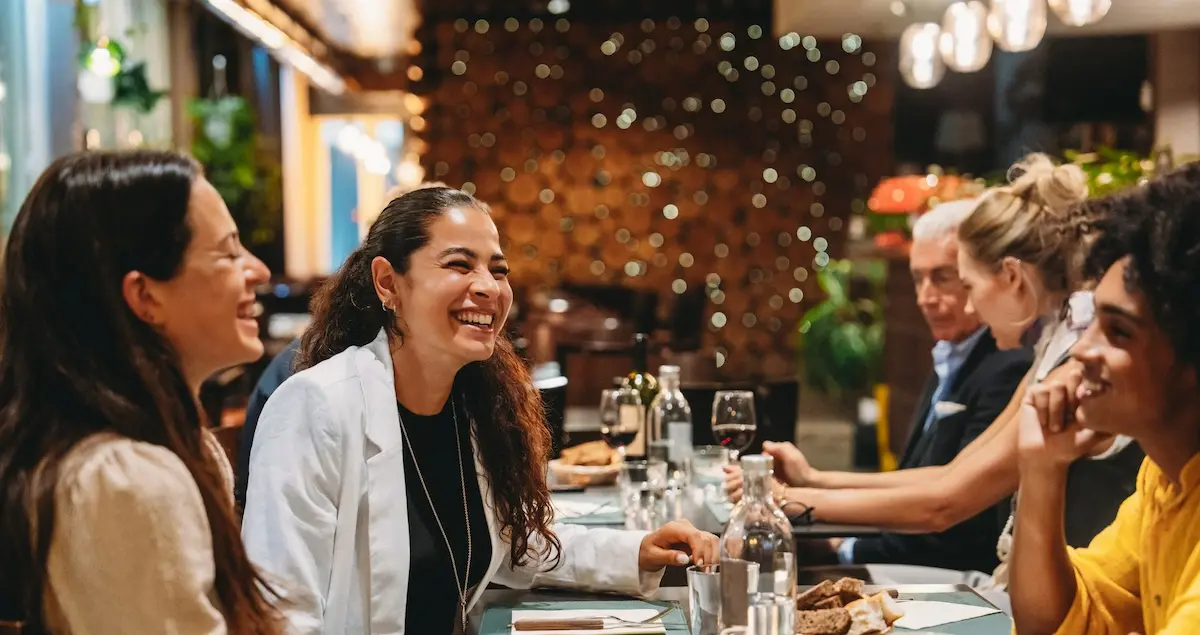
The success of a private dining room is usually decided by smaller things than hosts might expect.
It's the acoustics. The pace of service. The exact amount of light in the room after sunset. Whether the chair is comfortable by the second hour, not just the first 20 minutes. Whether the menu reads as though it was designed for groups, or reluctantly adapted for them. Whether the room feels tucked away in the best way, or forgotten in the worst one.
I've been at a private dining room down an alley from the main restaurant, so while we were well served in terms of attendant bar staff the entire night, any requests related to the food took far longer to get through to the kitchen, and back again.
The strongest private dining experiences make these details look effortless. They feel as though the evening has been thought through in advance, even if no one says so out loud. That’s usually the difference between a good room and one that people remember.
The final call before you book
Before you confirm, ask yourself one question: is this room right for the evening, or just available on the date I wanted?
Those aren’t the same thing. The best private dining rooms do more than give you separation from the main restaurant. They give the night its own pace, its own atmosphere, and its own sense of occasion.
And once the table is booked, there's still the matter of getting there properly.

A private dining room loses some of its magic when the arrival feels frantic — guests running late, the host fielding messages from the sidewalk, someone circling the block, someone else trying to work out which entrance is the right one. The smoother the journey in, the more composed the evening feels from the start.
That’s where Blacklane comes in. Whether you're heading to a business dinner, hosting clients, or marking something worth doing well, our professional chauffeur service helps take the stress out of arrival and lets the night begin in the right key.
About the author

Matthew Deery
Having lived in France, Germany, and the US as well as his native Ireland, Matthew has a passion for globetrotting. As SEO Manager and Editor of the Blacklane Blog, he now gets to preach what he practices.